
The Quiet Power of Short Story Collections
Sep 21,2018 - Sports
Sep 21,2018 - Sports
Sep 21,2018 - Sports

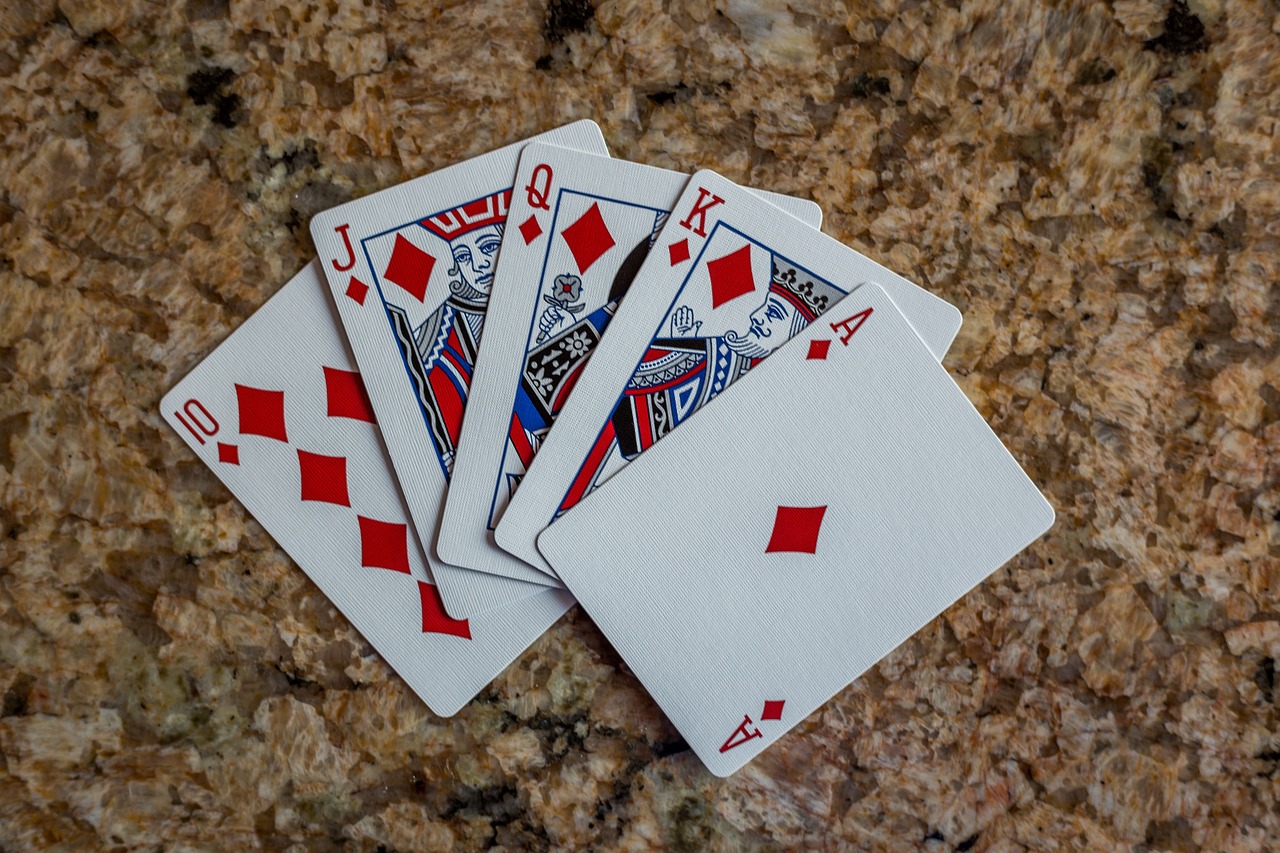
You know the feeling. You're three hours deep in an online poker tournament, blinds are eating your stack, and you're one bad decision away from the rail. Or maybe you're staring at a slot screen, convinced the next spin is the one. iGaming—whether it's casino games, sports betting, slots, or poker—isn't just about luck. It's a mental game, a math problem, and a test of discipline. The players who last aren't the ones chasing jackpots; they're the ones who understand the machinery behind the screen.
This isn't another "top 10 tips" listicle. Instead, we're diving into the practical realities of four major iGaming verticals, with concrete strategies, numbers, and the kind of advice you'd get from a friend who's been grinding for a decade. Let's cut through the noise.
Every casino game has a built-in advantage for the house. That's not a conspiracy—it's the business model. Your job is to find the games with the smallest edge and the lowest variance, then manage your bankroll like it's your rent money.
Take blackjack. A basic strategy player can reduce the house edge to roughly 0.5%, depending on the rules. That's miles better than American roulette's 5.26% (thanks to the double zero). If you're playing roulette, always choose European (single zero) over American. That single green pocket changes everything.
But here's what most beginners miss: the edge doesn't care about your feelings. You can play perfectly for an hour and still lose. The edge only plays out over tens of thousands of hands. So why bother? Because in the short run, variance is a beast, but in the long run, skill and game selection decide who survives.
The takeaway: casino games aren't about beating the house. They're about minimizing the bleed and maximizing entertainment value per dollar. If you're not having fun, stop. The house always wins eventually—but you don't have to be the sucker who funds the next renovation.
Sports betting feels like you're outsmarting the bookie. Sometimes you are. But the bookie has a margin, and it's usually 4-5% on a standard -110 line. That means you need to win 52.4% of your bets just to break even. It's not impossible, but it's not easy.
Here's a concrete example. You want to bet on an NBA game. Book A offers -110 on the Lakers, meaning you risk $110 to win $100. Book B offers -105. Over 100 bets, that $5 difference per $100 wagered is $500. That's your edge right there. Always have accounts at multiple sportsbooks. Line shopping isn't optional—it's essential.
Another key: never bet on your favorite team. Emotional attachment leads to biased decisions. You'll overvalue their chances. Treat betting like a cold, analytical exercise.
Sports betting is a marathon, not a sprint. The most successful bettors I know treat it like investing, not gambling. They grind small edges over hundreds of bets. It's boring, but it works.
Slots are the casino's cash cow. They're also the most misunderstood. Let's clear up a few things.
First, RTP (Return to Player) is the percentage of all wagered money that a slot pays back over millions of spins. A 96% RTP slot keeps 4% for the house. But that's long-term. In a single session, anything can happen.
Second, volatility matters more than RTP for your experience. High-volatility slots pay rarely but can pay huge. Low-volatility slots pay often but small. If you have a $50 bankroll, play low-volatility. If you have $500 and want a shot at a jackpot, go high.
Third, hot and cold machines are a myth. Each spin is independent. The RNG (random number generator) doesn't care if you've lost 20 spins in a row. The odds don't change. Before making a choice, it helps to review สล็อต.
Here's a practical tip: set a loss limit before you spin. If you deposit $100, decide that $60 is your max loss. Walk away when you hit it. Also, use the slot's autoplay feature with caution—it's easy to lose track of time and money.
And don't chase progressive jackpots unless you understand the odds. A $1 million jackpot might have odds of 1 in 10 million. That's worse than the lottery in some cases.
Poker is different. You're not playing against the house; you're playing against other players. The house takes a rake (a small cut of each pot), but your edge comes from outplaying opponents.
If you're new, start with micro-stakes. The players are bad, but the rake can eat you alive. At $0.01/$0.02, a 5% rake with a $0.50 cap means you need to win big pots to overcome it. Move up to $0.05/$0.10 or $0.10/$0.25 when you have 20 buy-ins for that level.
Key concept: position. Acting last gives you more information. You see what everyone does before you act. Play tight from early position, loosen up from the button.
Another: bankroll management. Never buy into a cash game with more than 5% of your poker bankroll. For tournaments, 1-2% per buy-in. This prevents you from going broke on a bad beat.
If you want to improve, study. Watch hand replays. Use a solver (software that calculates optimal play) for study, not during play. And accept that variance is brutal. You can play perfectly and lose for months. The key is to keep making +EV (positive expected value) decisions.
The difference between a recreational player and a winning one isn't luck. It's education, discipline, and emotional control. Casino games are entertainment—budget for them like you would a night out. Sports betting and poker are skills you can develop, but only if you're honest about your results and willing to put in the work.
No system beats the house in the long run for pure chance games. But you can absolutely beat other players in poker and find edges in sports betting. For slots, accept the randomness. For casino games, minimize the edge. And always, always set limits before you play.
iGaming is a jungle. Don't be the prey. Be the hunter who knows the terrain.
Sep 21,2018 - Sports
Sep 21,2018 - Sports
Copyright © 2026 Heather Reads. All rights reserved.Hea The Rreads. All Right Reserved.
 Marcus Webb

John Doe - 20 November 2026
Hea The Rreads An honest, everyday look at the things that make life a little better — with advice you can actually use.
John Doe - 29 july 2018
Hea The Rreads Real stories, useful guides and the occasional recommendation, all in one calm corner of the web.
John Doe - 29 july 2018
Hea The Rreads Written for people who value the details, and want honest guidance they can trust.
John Doe - 29 july 2018
Hea The Rreads Real stories, useful guides and the occasional recommendation, all in one calm corner of the web.